Note 10 · Home
Keeping Perth's Hospitality Industry Running: The Vital Work of Commercial Plumbers
· 2 min read
The notes
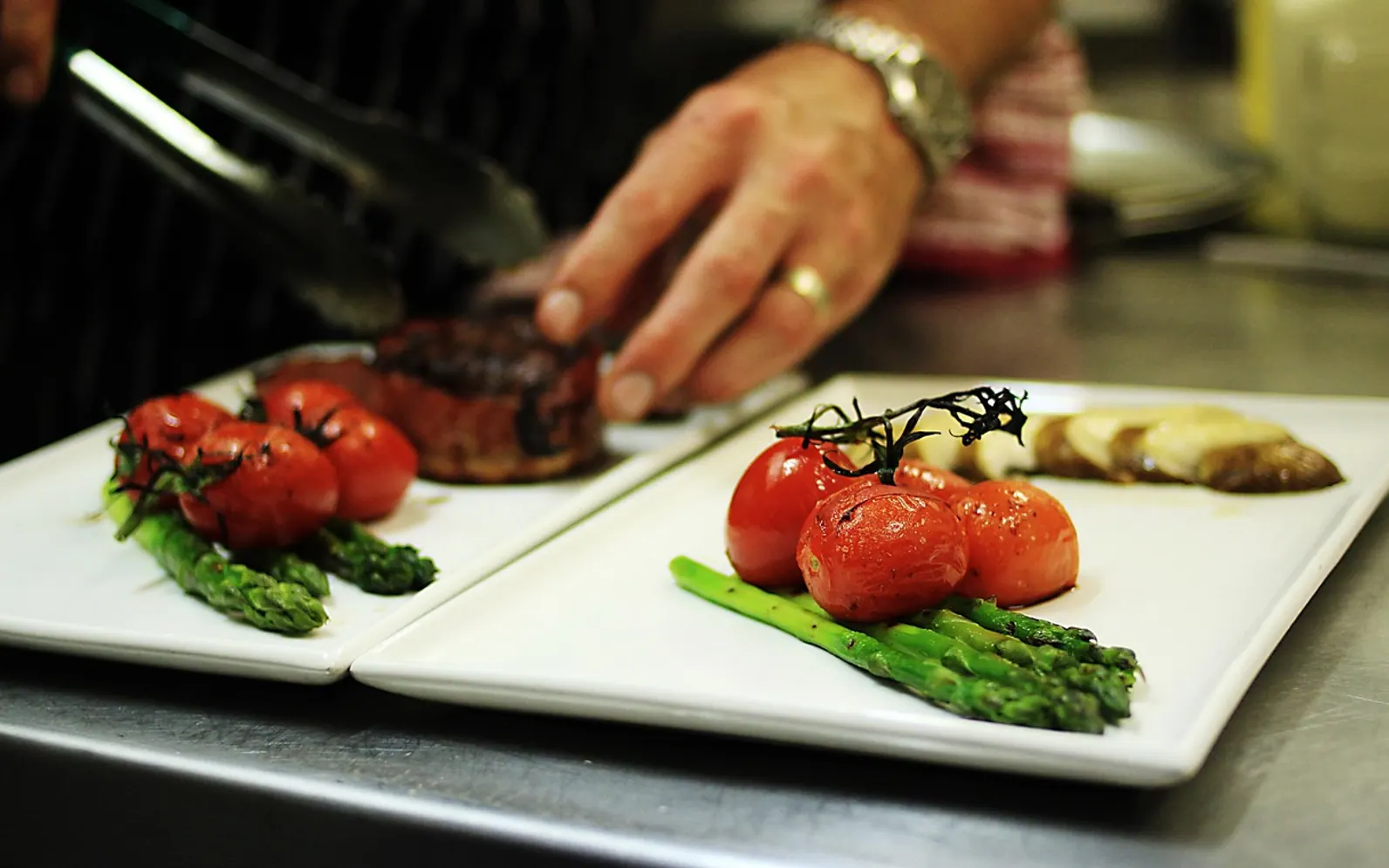
A Friday night at a busy Perth venue runs on more pipework than most diners would guess. Glass washers cycling every few minutes, a dishwasher that never seems to stop, toilets used by hundreds of guests, hot water for the kitchen and a coffee machine plumbed straight into the mains. When any one of those fails, service slows; when two fail at once, the doors may have to close. Commercial plumbers are the people who make sure that rarely happens.
What makes hospitality plumbing different
Domestic plumbing is built for a household. Hospitality systems are built for crowds, heat and grease, and they are expected to work long hours with almost no downtime. The main differences:
- Volume. Fixtures in bathrooms and kitchens see far heavier use, so fittings, valves and drains wear faster.
- Grease and food waste. Commercial kitchens need grease traps or arrestors, which must be sized correctly and serviced on a schedule to protect the sewer and avoid blockages.
- Hot water demand. Large venues may rely on high-capacity or continuous-flow systems that need careful installation and regular checks.
- Specialised equipment. Beer lines, ice machines, glass washers and combi ovens often have their own water and drainage needs.
Hygiene, safety and compliance
Health inspectors look closely at how a venue handles water and waste. Backflow prevention protects drinking water from contamination, hand-wash basins must have reliable hot and cold supply, and drainage needs to carry waste away without leaks or smells. Commercial plumbers who know local requirements in Western Australia help owners keep systems compliant and documented, which makes inspections less stressful. Rules and responsibilities vary, so venue operators should confirm the specific obligations for their premises with the relevant authority or a licensed tradesperson.
Preventing the Friday-night disaster
Emergencies make headlines, but most good commercial plumbing is preventive. A typical maintenance plan for a cafe, pub or hotel might include:
- Scheduled grease trap pumping and inspection
- CCTV drain checks to spot root intrusion or build-up before a blockage
- Testing of backflow devices and thermostatic mixing valves
- Servicing of hot water units ahead of peak seasons
- Quick review of fixtures for drips and running cisterns that waste water
Scheduling this work around trading hours matters as much as the work itself. Local firms such as https://freoplumbing.com.au/ understand the rhythm of Fremantle and greater Perth hospitality, planning maintenance for quiet mornings and offering responsive help when something goes wrong mid-service.
Plumbing that supports growth
When a venue renovates, adds a rooftop bar or expands the kitchen, plumbing usually shapes what is possible. Involving a commercial plumber early, during the design stage rather than after the walls are closed, helps avoid costly rework and ensures new fixtures have the capacity they need. Water-saving fittings and efficient hot water systems can also trim running costs over time, a welcome benefit in a sector with tight margins.
Guests rarely think about any of this, and that is exactly the point. The best sign of solid commercial plumbing is a full room, fresh glasses, hot coffee and nobody noticing the pipes at all.
Every guide
What you can expect on each how-to page
The layout is deliberately predictable.
Preparation and safety notes come before the first numbered step.
Steps are numbered in the order you will carry them out.
At least one table compares options, causes or methods.
A section says when the job belongs with a professional.
A closing checklist sums up the whole task in a few lines.
No prices, ratings or figures we have not checked ourselves.
Don’t miss these
 MoviesIPTV in France: The Streaming Revolution You Can’t Ignore2 min read
 HomeTransform Your Living Space with Nature-Inspired Wall Mural2 min read
 MoviesWhat Is Film Noir? Shadows, Cynics and Where to Start Watching5 min read
 HomeWhy Flea and Tick Control Shouldn’t Be Ignored — Even Without Pets2 min read