Note 50 · Shopping
How to Arrange Flowers in a Vase (Even a Supermarket Bunch)
· 4 min read
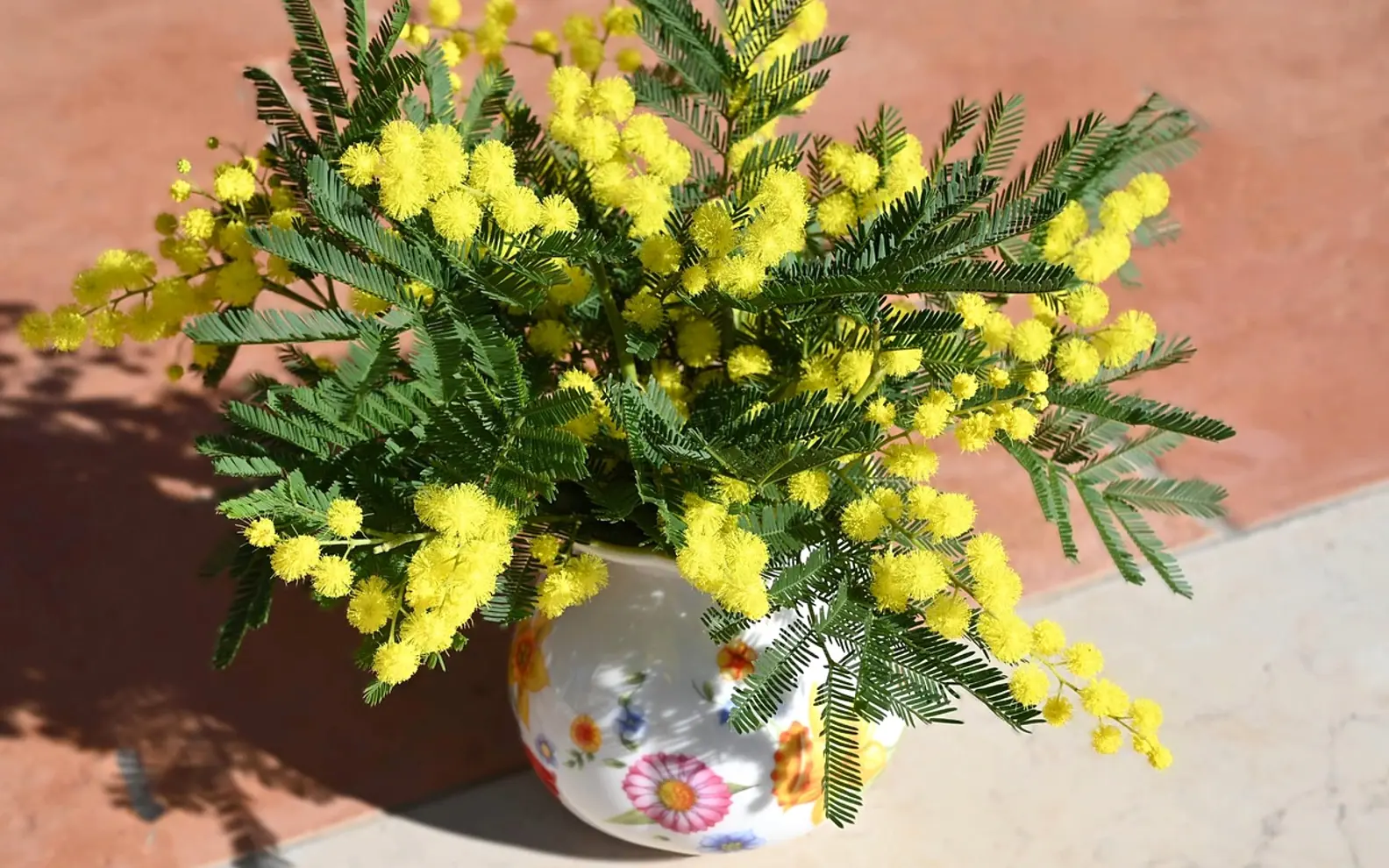
The notes
To arrange flowers in a vase, pick a vase that suits the stems, cut them so the flowers stand about one and a half to two times the height of the vase, build a loose frame with greenery first, then add the main flowers in odd-numbered groups, fill gaps with smaller blooms, and turn the vase as you go so it looks good from every side. That order works for a florist's bouquet and for a single bunch from the supermarket.
What you need
- A clean vase (see the table below for shapes).
- Sharp secateurs or a florist's knife.
- Clear tape, a flower frog or a ball of chicken wire for wide-mouthed vases.
- Flower food and cool water.
- A towel or newspaper to work on.
Prepare the stems first: strip leaves below the waterline and cut at an angle. The full routine is in the note on keeping cut flowers fresh.
Match the vase to the flowers
| Vase shape | Suits | Tip |
|---|---|---|
| Tall cylinder | Long, straight stems: gladioli, lilies, branches | Let stems lean on the rim for a relaxed look |
| Flared or trumpet | Generous bunches, tulips, mixed bouquets | Needs more stems than it seems; they fan outward |
| Narrow neck or bottle | One to three stems | Works well for single roses or a sprig of blossom |
| Low bowl | Short, full blooms: peonies, ranunculus, garden roses | Use a tape grid or frog to hold stems upright |
| Jug or pitcher | Casual, garden-style mixes | Spout gives a natural low point for trailing stems |
If the bunch is small and the vase wide, the arrangement will look sparse. If the bunch is large and the neck narrow, stems get crushed and drink poorly. When in doubt, choose the smaller vase.
Step by step
- Sort the stems. Lay the bunch out and group it into three roles: greenery (eucalyptus, ruscus, leafy stems), focal flowers (the large, eye-catching blooms) and fillers (small clusters such as waxflower, gypsophila or spray roses).
- Measure against the vase. Hold a stem beside the vase and cut it so the flower head sits roughly one and a half to two times the vase height. Cut the rest a little shorter or longer to create layers.
- Add a support if needed. For wide openings, criss-cross clear tape over the mouth in a grid, or drop a loose ball of chicken wire inside. Each stem then has its own slot.
- Build the frame with greenery. Place stems in a crossing pattern so they lean against each other. This creates a structure the flowers can rest on.
- Place the focal flowers. Add them in groups of three or five, spacing them around the arrangement at slightly different heights.
- Fill the gaps. Tuck fillers between the focal blooms to soften the shape and hide the support.
- Finish with movement. One or two longer, airy stems breaking the outline make the display look less rigid.
- Turn and check. Rotate the vase, step back and remove anything that crowds the shape.
The hand-tied spiral
For a tall vase with a fairly narrow opening, try arranging in the hand. Hold one stem, then add each new stem at the same slight angle, rotating the bunch a little each time. The stems form a spiral, the heads open into a dome, and the bunch stands neatly once tied and placed in water.
Getting more from one shop-bought bunch
A single mixed bunch often looks better split up than squeezed into one vase.
- Put the tallest, straightest stems in one main vase.
- Use the shorter or broken-stemmed flowers in a cluster of small jars or bud vases along a shelf or windowsill.
- Float a single large head in a shallow bowl if the stem has snapped.
- Add garden greenery or herbs to stretch a thin bunch.
Florist and delivery bouquets usually arrive with a mix already planned; the article on online flower delivery and quality care covers what to expect when one turns up.
Colour, simply
- One colour, several shades: calm and modern, hard to get wrong.
- Neighbouring colours such as pink, peach and coral: warm and harmonious.
- Contrasting pairs such as purple and yellow: lively, best with plenty of green between them.
Table arrangements for guests
For a dinner or party table, keep arrangements low enough for people to see and talk across, or tall and slim enough to look past. Strongly scented flowers can compete with food, so lighter scents suit the dining table better. The guide to choosing event seating is useful when flowers are part of a larger setup.
Quick fixes
Why does my arrangement flop to one side?
Usually the vase opening is too wide for the number of stems. Add a tape grid, or move the flowers to a narrower vase.
Should I use floral foam?
Many florists now avoid it because it is a single-use plastic product. Tape grids, chicken wire and metal flower frogs can be reused and hold most home arrangements well.
How often should the arrangement be redone?
Each time you change the water, lift the stems out, trim them and rebuild. It takes a few minutes and keeps the display looking deliberate as individual flowers fade.
Every guide
What you can expect on each how-to page
The layout is deliberately predictable.
Preparation and safety notes come before the first numbered step.
Steps are numbered in the order you will carry them out.
At least one table compares options, causes or methods.
A section says when the job belongs with a professional.
A closing checklist sums up the whole task in a few lines.
No prices, ratings or figures we have not checked ourselves.
Don’t miss these
 MoviesIPTV in France: The Streaming Revolution You Can’t Ignore2 min read
 HomeTransform Your Living Space with Nature-Inspired Wall Mural2 min read
 MoviesWhat Is Film Noir? Shadows, Cynics and Where to Start Watching5 min read
 HomeWhy Flea and Tick Control Shouldn’t Be Ignored — Even Without Pets2 min read