Note 52 · Home
How to Get Rid of Fleas in the House
· 5 min read
The notes
The first clue is usually small: a dark speck on a pale rug, a cat scratching more than usual, a cluster of itchy bites around someone's ankles after an evening on the sofa. By the time anyone actually sees a flea jump, the household is normally dealing with far more than the adults on show. Most of a flea population lives out of sight as eggs, larvae and cocoons in carpet pile, floor gaps and soft furnishings.
That is why a single spray rarely works. Getting rid of fleas in the house means breaking the life cycle at every stage, in the right order, and sticking with it for several weeks.
Confirm it really is fleas
Before buying anything, check. Comb a pet over a sheet of white paper and tip the debris onto a damp paper towel. Flea dirt (digested blood) smears reddish-brown when it gets wet; ordinary grit does not. Another simple test is to walk slowly across a carpet in long white socks, then look at the socks under a good light.
Bites on people tend to appear in small groups on the lower legs and feet. Other insects can cause similar marks, so if the bites spread, blister, look infected or come with any other symptoms, a pharmacist or doctor is the right person to ask rather than guessing.
How the flea life cycle shapes the plan
| Stage | Where it hides | What reaches it |
|---|---|---|
| Adult | On the pet, in bedding, jumping between floor and host | Vet-recommended pet treatment, vacuuming |
| Egg | Drops off the animal into carpet, rugs, sofa cushions | Vacuuming, hot washing |
| Larva | Deep in pile, floor cracks, under furniture, away from light | Vacuuming, household flea products with a growth regulator |
| Pupa (cocoon) | Same places, glued into fibres | Very little; vibration from vacuuming coaxes them to hatch so later steps catch the adults |
The pupa is the stage that makes people think a treatment has failed. Cocoons can sit in the carpet for weeks and hatch in waves, so new adults keep appearing even after a thorough clean. Those late hatchlings are expected; the job is to keep catching them until the waves stop.
Step-by-step: clearing fleas from the house
- Treat every pet on the same day. Dogs, cats and any other furry animals that share the home all need treating, even the one that never scratches. Ask a vet which product suits each animal's species, weight and age. Never use a dog product on a cat: some dog flea treatments contain ingredients that are dangerous to cats.
- Clear the floor. Pick up toys, shoes, bags and anything stored on the carpet so the vacuum can reach the edges. Pay attention to the dark corners where larvae like to settle, such as under beds, behind the sofa and the tangle of leads under the TV stand.
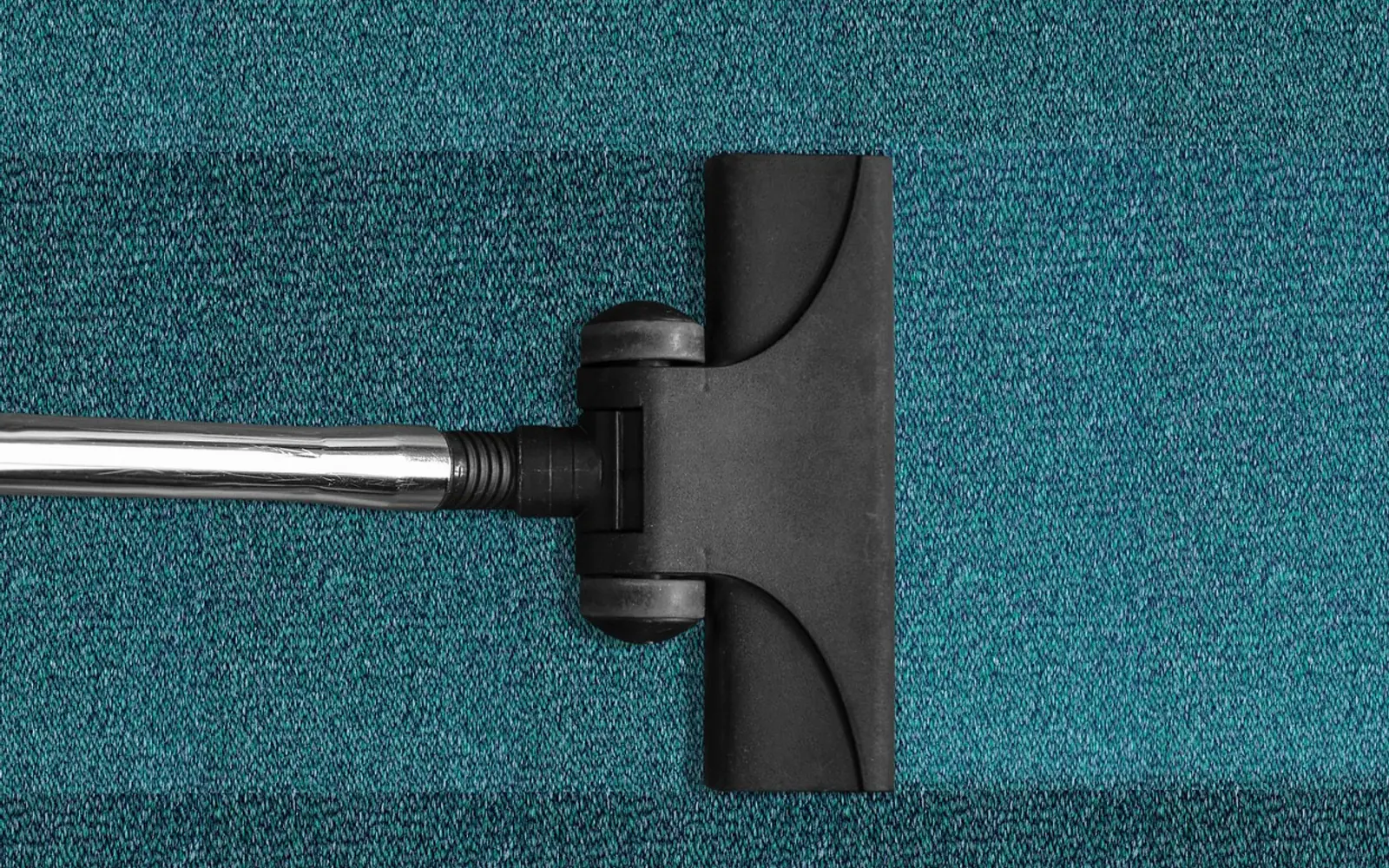
- Vacuum slowly and thoroughly. Carpets, rugs, sofa seams, under cushions, skirting boards, stairs and the inside of the car if the pet travels in it. Use the crevice tool along edges. Empty the canister or seal and remove the bag outdoors straight afterwards.
- Wash the soft stuff hot. Pet bedding, throws, cushion covers and bed linen the pet sleeps on go through the hottest wash the care labels allow, then a hot dryer cycle where suitable. Very old or heavily soiled pet beds are often easier to replace.
- Treat the house if needed. For a stubborn infestation, a household flea spray that contains an insect growth regulator stops larvae developing into adults. Read the label fully, keep people, pets and fish tanks away as directed, and ventilate afterwards. Foggers do not reach under furniture well and are best avoided in small or poorly ventilated rooms.
- Repeat. Vacuum every day or two for at least two to three weeks, keep pet treatments on the schedule the vet gave, and wash bedding weekly.
Getting fleas out of carpet specifically
Carpet is where most of the work happens. Thick pile and the gap where carpet meets the skirting board give larvae shelter from light and from the vacuum's suction. A few habits help:
- Vacuum in two directions so the pile lifts and the brush gets underneath.
- Move light furniture on at least the first and last clean of each week.
- Steam cleaning can help on carpets that tolerate it; check the manufacturer's advice first and let the carpet dry fully.
- Keep rooms in normal use. Footsteps and vibration encourage cocoons to hatch, and a hatched flea is easier to remove than a dormant one.
Common reasons fleas come back
Only one pet was treated. An untreated animal keeps reseeding the carpet with eggs.
The cleaning stopped too soon. A week of effort followed by nothing usually lines up neatly with the next wave of hatching pupae.
The outdoor source was ignored. Wildlife, stray cats or rodents under a deck or in a shed can keep bringing fleas in. In homes without pets, that outside source is often the whole story, and the prevention side of the problem is covered in our piece on flea and tick control in homes without pets.
Clutter gave them a place to hide. Piles of fabric, boxes on the floor and furniture that never moves leave untouched patches. If an infested rug or old mattress is going out during a bigger clear-out, the basics of loading a rental waste container safely are worth a look before the heavy lifting starts.
When to call in help
If fleas are still turning up after four to six weeks of consistent pet treatment and cleaning, a professional pest controller can find where they are breeding and treat areas a household product cannot reach. Call sooner if anyone in the home is reacting badly to bites, if there is a baby crawling on the floors, or if the source seems to be animals living in the roof or under the house. For questions about a pet's skin, weight loss or constant scratching, the vet is the first stop.
Once the house is clear, the routine that keeps it that way is short: year-round pet protection as the vet advises, a weekly vacuum of the spots pets love, and a quick look at bedding whenever the scratching starts again. A tidy floor helps too, which is one more reason to finally get the cables under the TV under control.
Every guide
What you can expect on each how-to page
The layout is deliberately predictable.
Preparation and safety notes come before the first numbered step.
Steps are numbered in the order you will carry them out.
At least one table compares options, causes or methods.
A section says when the job belongs with a professional.
A closing checklist sums up the whole task in a few lines.
No prices, ratings or figures we have not checked ourselves.
Don’t miss these
 MoviesIPTV in France: The Streaming Revolution You Can’t Ignore2 min read
 ShoppingHow to Arrange Flowers in a Vase (Even a Supermarket Bunch)4 min read
 HomeTransform Your Living Space with Nature-Inspired Wall Mural2 min read
 MoviesWhat Is Film Noir? Shadows, Cynics and Where to Start Watching5 min read