Note 20 · Lifestyle
Flow Without Friction: How Modern Plumbers Keep Homes Reliable
· 2 min read
The notes
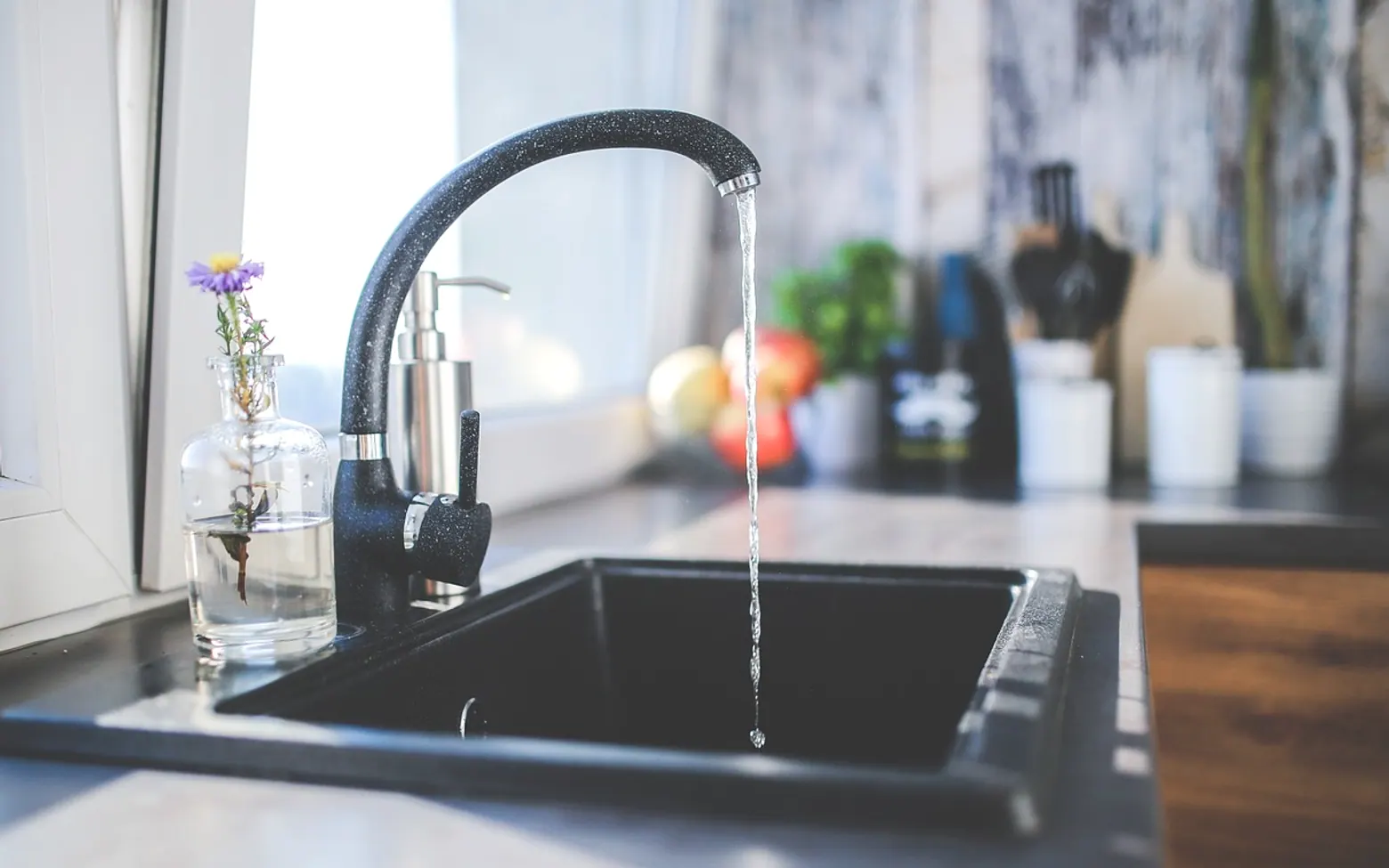
Most of a home's plumbing is invisible by design. Pipes run inside walls, drains disappear under slabs, and the water heater sits in a cupboard nobody opens. That invisibility is why trouble so often feels sudden. In reality, failures usually announce themselves quietly for months, and a capable plumber's job is increasingly about hearing those early signals.
From emergency calls to planned visits
A dripping joint starts as a faint stain. A sticking valve starts with slightly stiff movement. Scale builds up in a heater a thin layer at a time. When a plumber inspects a system on a schedule, they look for exactly these small changes: discoloured fittings, damp patches, slow drains, odd noises when a tap closes. Dealing with them early is far less disruptive than replacing a soaked kitchen floor.
Homeowners who want to move from panic calls to planned care often look for plumbers in Northeast Philly who offer routine inspections alongside repairs, so one trusted team knows the house and its history.
The modern toolkit
A well-equipped service van now carries diagnostic gear as well as wrenches.
| Tool | What it reveals |
|---|---|
| Drain camera | Roots, cracks, grease build-up or collapsed sections inside sewer lines |
| Acoustic leak detector | The sound of escaping water behind walls or under floors |
| Thermal camera | Temperature differences that point to hidden hot-water leaks |
| Pressure gauge | Supply pressure that is too high for fixtures or too low for comfort |
These tools mean less guesswork and fewer holes in plaster. The plumber can often pinpoint a problem before opening anything up, which keeps repairs smaller and cleaner.
Tuning a system for efficiency
Reliability and efficiency often go together. Flushing sediment from a water heater helps it heat more effectively. Insulating hot-water pipes reduces the wait at the tap. Replacing old fixtures with water-saving models cuts usage without sacrificing comfort. Adjusting pressure to a sensible level protects washing machines, dishwashers and taps from unnecessary strain.
Plumbers can also advise on upgrades such as tankless heaters, water softeners where hard water is a problem, or leak sensors that send an alert to a phone.
What homeowners can do between visits
- Learn where the main water shut-off is and keep the area clear.
- Check under sinks every few months with a torch.
- Keep fats, wipes and coffee grounds out of the drains.
- Listen for running water when no taps are open.
- Note any change in water colour, smell or pressure and mention it at the next visit.
A partnership, not a rescue
The most dependable homes tend to have a relationship with a plumbing team rather than a number scribbled on the fridge for emergencies. Regular attention, good records of past work and a plumber who understands the property turn plumbing from a source of worry into something that simply works, day after day.
Every guide
What you can expect on each how-to page
The layout is deliberately predictable.
Preparation and safety notes come before the first numbered step.
Steps are numbered in the order you will carry them out.
At least one table compares options, causes or methods.
A section says when the job belongs with a professional.
A closing checklist sums up the whole task in a few lines.
No prices, ratings or figures we have not checked ourselves.
Don’t miss these
 MoviesIPTV in France: The Streaming Revolution You Can’t Ignore2 min read
 HomeTransform Your Living Space with Nature-Inspired Wall Mural2 min read
 MoviesWhat Is Film Noir? Shadows, Cynics and Where to Start Watching5 min read
 HomeWhy Flea and Tick Control Shouldn’t Be Ignored — Even Without Pets2 min read