Note 11 · Lifestyle
Celebrating Sustainably: The Green Impact of Digital Birthday Cards
· 2 min read
The notes
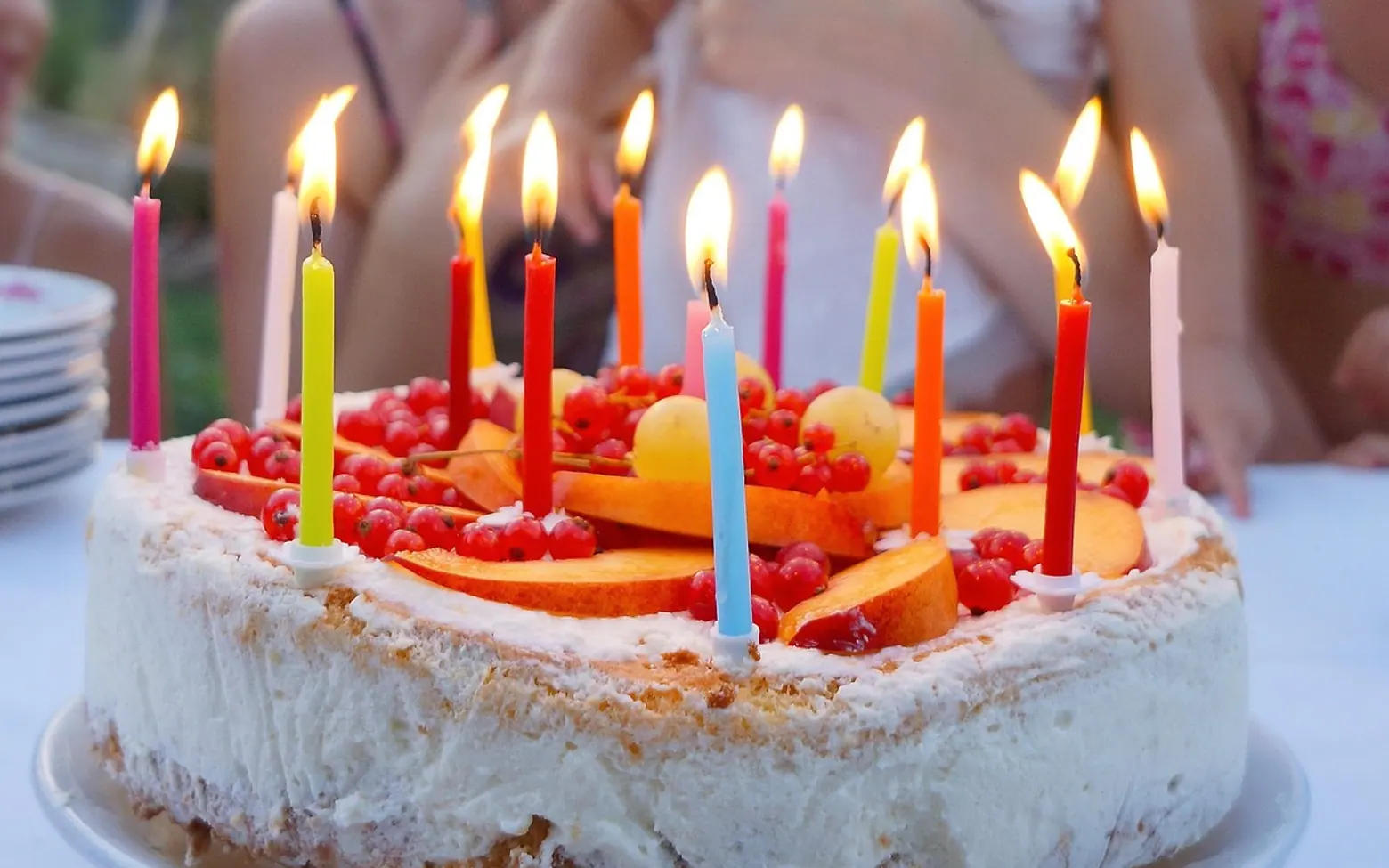
A birthday card is a small object with a long back story. Before it reaches a doormat it has been printed, folded, wrapped in plastic, trucked to a shop, bought, written in, stamped and carried across town or across the country. None of that is dramatic on its own, but repeated for every birthday in every household, the footprint adds up. Digital cards and invitations keep the warm gesture while skipping most of the trip.
What a paper card really involves
Paper comes from trees and needs water and energy to produce. Glossy finishes, glitter and foil can make a card harder to recycle, and the cellophane sleeve rarely goes back into the loop. Then there is delivery, which adds fuel and packaging. Many cards are enjoyed for a few days and then quietly thrown out after the party.
A card sent by email or message uses electricity too, of course, yet it avoids the printing, transport and leftover waste. For anyone trying to trim the clutter that comes with celebrations, that difference is easy to appreciate.
Room for real personality
The best argument for digital cards is not only environmental. They can be far more personal than a rack of identical designs at the supermarket.
- Add a favourite photo from last summer or a childhood snapshot that makes everyone laugh.
- Choose colours and fonts that match the party theme.
- Include a short video message or a gentle animation for a younger guest.
- Write as much or as little as you like without running out of space on the inside fold.
Planning a party gets easier too. With a free birthday invitation maker, hosts can design an invite in a few minutes, pick a layout that suits a toddler's tea party or a fortieth dinner, and send it out to the whole guest list at once.
Practical perks for hosts
Digital invitations solve some old headaches. Guests can reply with a tap, so the headcount for food and seating becomes clearer earlier. If the venue or time changes, an update reaches everyone straight away rather than relying on a chain of phone calls. Last-minute additions, such as a friend visiting from abroad, can be invited in seconds.
Cost is another quiet advantage. Postage, printing and envelopes add up for a large party, while sending online is often free or close to it, leaving more of the budget for cake.
Keeping the sentiment alive
Some people worry that a screen feels less heartfelt than something you can hold. That depends on what is written. A thoughtful message, a shared memory or a photo of a special day reads just as warmly in an inbox. Many recipients save their favourite digital cards in a folder, where they will not fade, bend or get lost in a drawer.
A mixed approach works well for many families: digital invitations and greetings for most occasions, with a handwritten note saved for the moments that call for it. Either way, the focus stays where it belongs, on the person celebrating and the people who turn up to share the day.
Every guide
What you can expect on each how-to page
The layout is deliberately predictable.
Preparation and safety notes come before the first numbered step.
Steps are numbered in the order you will carry them out.
At least one table compares options, causes or methods.
A section says when the job belongs with a professional.
A closing checklist sums up the whole task in a few lines.
No prices, ratings or figures we have not checked ourselves.
Don’t miss these
 MoviesIPTV in France: The Streaming Revolution You Can’t Ignore2 min read
 HomeTransform Your Living Space with Nature-Inspired Wall Mural2 min read
 MoviesWhat Is Film Noir? Shadows, Cynics and Where to Start Watching5 min read
 HomeWhy Flea and Tick Control Shouldn’t Be Ignored — Even Without Pets2 min read