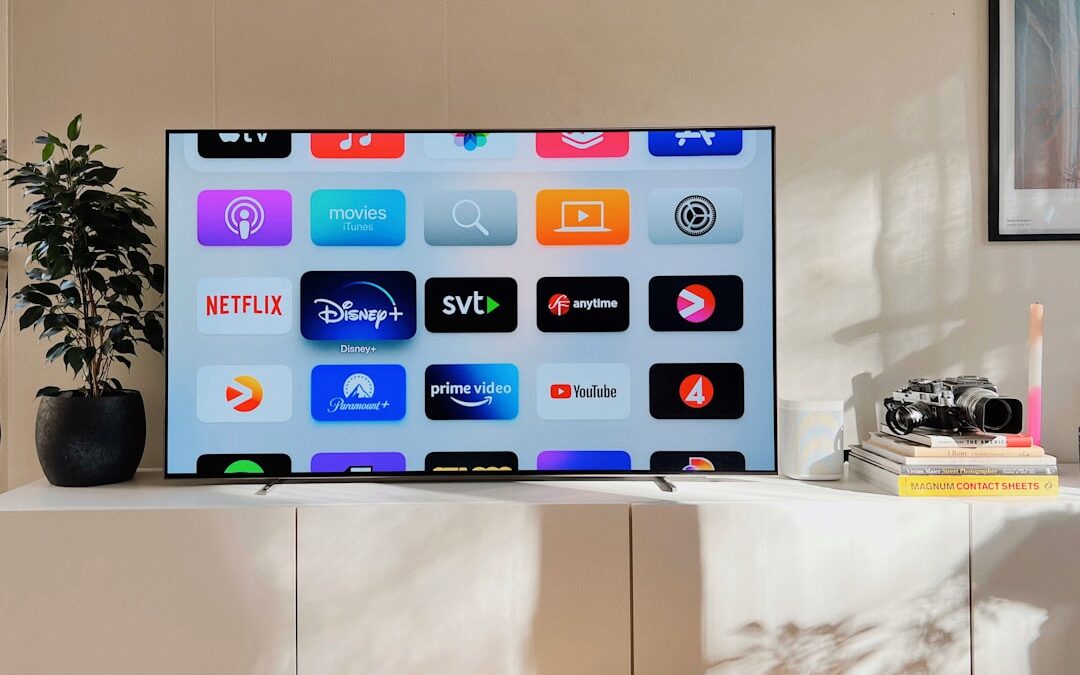
Switzerland’s IPTV market is expanding steadily, and the reasons are clear. Consumers now expect more than traditional television schedules and limited device access. They want flexible viewing, sharper picture quality, multilingual content, and personalised control over what, when, and how they watch. In Switzerland, where digital infrastructure is strong and households are highly connected, IPTV has moved from being an alternative option to becoming a central part of modern home entertainment. As competition increases, providers are responding with smarter platforms, more advanced features, and service models designed to match evolving viewer habits.
Why IPTV Is Gaining Ground in Switzerland
The Swiss market is uniquely suited to IPTV growth. High broadband penetration, reliable fibre and mobile networks, and a population comfortable with digital services all create the ideal environment for internet-based television. Unlike legacy broadcasting systems, IPTV allows content to be delivered with much greater flexibility, which appeals to users who no longer want to depend on fixed schedules or location-specific hardware.
Another important factor is lifestyle. Swiss viewers increasingly consume content across multiple devices, including smart TVs, tablets, smartphones, and laptops. IPTV fits this pattern perfectly by enabling seamless access whether users are at home, travelling domestically, or splitting viewing between family members on different screens. This convenience is especially valuable in a country where work mobility and multilingual households are common.
Pricing transparency has also helped drive adoption. Consumers are comparing traditional TV bundles with internet-based alternatives and noticing that IPTV often offers broader channel selections, on-demand libraries, and premium viewing tools in a more adaptable format. For households seeking both value and functionality, the appeal is strong.
Innovative Features Are Reshaping the Viewing Experience
The current wave of IPTV growth in Switzerland is not just about access to television over the internet. It is being powered by innovation. Providers are investing in features that make the user experience more intuitive, efficient, and tailored to individual preferences.
One major advantage is advanced replay and time-shift functionality. Viewers no longer need to plan their day around live broadcasts. They can pause, rewind, or restart programmes with ease, making television far more compatible with modern routines. Cloud-based recording has pushed this even further by removing the need for physical recording devices while preserving convenience.
Recommendation engines are also becoming more refined. Rather than overwhelming users with large content catalogues, newer IPTV platforms help them discover relevant films, series, sports, and international channels based on viewing behaviour. This makes platforms feel more intelligent and increases daily engagement.
Several other features are contributing to stronger demand:
- Multi-device streaming that allows users to switch screens without losing continuity.
- High-definition and 4K support for a more immersive viewing experience.
- Interactive interfaces that simplify navigation and search.
- Custom channel packages that better reflect personal interests.
- Parental controls that help families manage access safely.
As these capabilities become standard, IPTV is increasingly seen not just as a substitute for cable or satellite, but as a superior format built around user choice.
Swiss Consumers Want Local Relevance and International Access
Switzerland’s cultural and linguistic diversity has a direct impact on television preferences. Viewers often expect access to programming in German, French, Italian, and English, alongside international news, entertainment, and sports. IPTV platforms are well positioned to meet this need because they can aggregate wide channel line-ups and on-demand libraries in a way that traditional systems struggle to match.
This balance between local relevance and global reach is a major growth driver. Households want Swiss channels for domestic news, regional programming, and local sports coverage, but they also want access to broader entertainment ecosystems. IPTV allows providers to serve both priorities through flexible catalogues and curated content groupings.
Ease of subscription is also improving the market. Users can now compare packages quickly, activate services with minimal friction, and choose plans aligned with their usage habits. For consumers seeking a broader entertainment solution with dependable performance and modern functionality, options such as service IPTV premium Suisse reflect the growing demand for premium, user-focused IPTV experiences in the country.
Importantly, Swiss viewers are not merely looking for more channels. They are looking for quality, stability, and relevance. Providers that combine strong streaming performance with multilingual content and reliable support are likely to retain customers over the long term.
What the Future Holds for the IPTV Market
Looking ahead, the Swiss IPTV market is expected to continue growing as technology and consumer expectations evolve together. Faster internet speeds, broader 5G availability, and better smart home integration will make IPTV even more accessible and responsive. As homes become more connected, television services will increasingly interact with voice assistants, personalised profiles, and unified media ecosystems.
Artificial intelligence is likely to play a bigger role as well. Smarter search, more accurate recommendations, and automated quality optimisation can improve satisfaction while reducing the friction users often feel when browsing large libraries. These enhancements matter because convenience is now a competitive differentiator, not a bonus feature.
Sports and live events will remain particularly important. Swiss audiences value real-time access to major competitions, and IPTV providers that can deliver stable, high-quality live streams with replay and highlights will have a clear advantage. The same applies to premium film releases, niche international channels, and genre-specific bundles that appeal to targeted subscriber groups.
At the market level, competition should stimulate further innovation. Providers will need to differentiate through interface design, customer support, content partnerships, and platform reliability. That pressure is positive for consumers because it encourages continuous improvement and raises service standards across the industry.
Switzerland’s IPTV market continues to grow because it aligns closely with how people now consume media: on demand, across devices, and with high expectations for quality and control. Innovative features are no longer peripheral additions; they are the core reason many viewers are making the switch. As providers refine their offerings and technology advances, IPTV is set to become an even more influential part of the Swiss entertainment landscape.