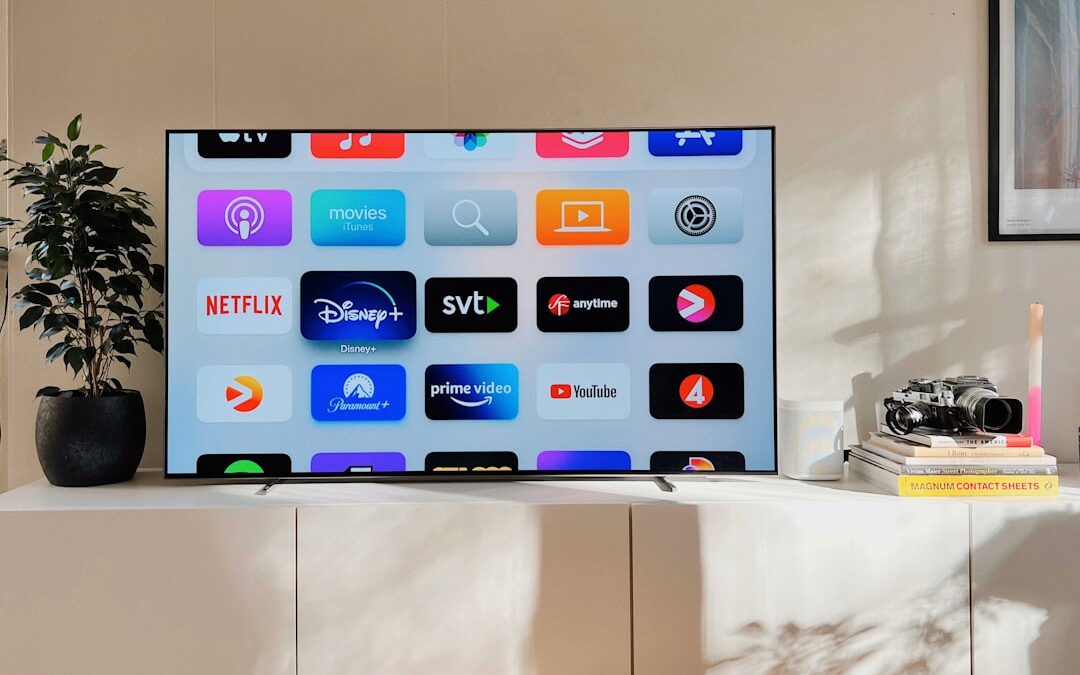
IPTV has moved from a niche alternative to a mainstream viewing option in Germany, and the reasons behind this growth are easy to understand. Viewers increasingly want more flexibility, better value, and access to a wider range of content without being tied to traditional cable packages. At the same time, faster broadband, better home networks, and a more device-friendly media landscape have made Internet Protocol Television a practical choice for millions of households. As expectations around entertainment continue to change, IPTV is becoming one of the most attractive ways to watch live channels, on-demand shows, and international content in one place.
Why German Viewers Are Turning to IPTV
One of the biggest drivers behind IPTV growth in Germany is changing viewer behavior. People no longer want to plan their evenings around a fixed broadcast schedule. Instead, they expect control over what they watch, when they watch it, and on which device they watch it. IPTV fits this demand perfectly because it combines live television with on-demand flexibility and often includes catch-up features that make missed programmes easy to revisit.
This shift is especially visible among younger households, busy families, and viewers who split their time between television, smartphones, tablets, and smart TVs. IPTV works across these environments, making it more aligned with modern media habits than older distribution models. For many users, the ability to switch seamlessly between devices is not just a convenience; it is now a basic expectation.
Convenience has become a deciding factor
Convenience is one of the strongest reasons IPTV continues to expand. Traditional TV can feel restrictive, especially when content is spread across multiple providers or tied to specific hardware. IPTV brings much of that content into a single interface, which reduces friction and makes everyday viewing simpler. That streamlined experience matters in a market where viewers value efficiency and ease of use just as much as channel choice.
- Live TV and on-demand content in one platform
- Catch-up viewing for missed programmes
- Multi-device access for homes with different viewing habits
- Flexible subscriptions that can be adjusted to user needs
Better Value Compared with Traditional TV Options
Cost is another major reason IPTV is growing so quickly. German consumers are becoming more selective about recurring subscription expenses, and many are comparing IPTV with cable and satellite alternatives more carefully than before. IPTV services often offer a more tailored pricing structure, allowing users to choose packages that match their interests rather than paying for channels they never watch. This perceived value is a powerful advantage in a market where household budgets are under constant scrutiny.
For viewers researching IPTV kosten, the appeal usually goes beyond the headline price. What matters is the balance between cost, content depth, picture quality, and device support. IPTV can often deliver a strong mix of these factors, especially for households that want access to both German and international channels without committing to expensive long-term contracts. In many cases, the overall experience feels more efficient and more personal than legacy TV bundles.
More control means better perceived value
Another important aspect of value is control. With IPTV, customers often feel they are paying for a service they actually use. That sense of control matters because it reduces waste and improves satisfaction. Viewers are not only comparing monthly fees; they are also comparing usability, content relevance, and the freedom to adapt their service over time. In practice, that combination often makes IPTV feel like a smarter investment.
Technology and Infrastructure Are Making IPTV Easier to Use
The rapid growth of IPTV in Germany would not be possible without better internet infrastructure. High-speed broadband and the continued expansion of fiber connections have made streaming live television much more reliable than it was just a few years ago. Buffering, lag, and picture degradation are less common when the connection is stable, and that improvement has directly supported wider IPTV adoption.
Germany’s households are also better equipped than before. Smart TVs are now standard in many homes, and streaming devices have become inexpensive and easy to set up. That means users do not need specialised installation or complex hardware to enjoy IPTV. In many cases, all they need is a compatible app and a solid internet connection.
- Faster broadband improves live-stream stability
- Smart TVs and streaming devices simplify setup
- Better home Wi-Fi supports multiple screens at once
- Improved compression technology helps maintain picture quality
Technology improvements are also helping IPTV providers deliver features that viewers now expect. These include electronic programme guides, time-shifted viewing, multilingual interfaces, and better content categorisation. As the user experience becomes more polished, IPTV becomes easier for a wider audience to adopt, including people who may previously have preferred cable or satellite.
Content Variety and Personalisation Are Changing Expectations
Another key reason IPTV is expanding in Germany is content variety. Viewers want access to more than just standard domestic channels. They are looking for international news, sports, entertainment, and niche programming that reflects the diversity of modern households. IPTV often caters to this demand more effectively than traditional television, especially for multilingual families and internationally minded audiences.
Personalisation also plays an important role. With IPTV, users can often move beyond the old model of a single channel lineup for everyone. Instead, they can find services that better match their interests, whether that means sports coverage, family entertainment, film libraries, or international channels. This personalised approach is increasingly important in a market where viewers expect media services to adapt to them, not the other way around.
For many households, IPTV feels less like a replacement for television and more like an upgraded version of it. It brings together the best parts of live broadcasting and digital streaming while offering a more flexible relationship with content. That makes it especially appealing in Germany, where consumers tend to value reliability, quality, and practical benefits.
Conclusion: IPTV’s Growth Reflects a Broader Shift in Viewing Habits
IPTV is growing rapidly in Germany because it answers several major consumer needs at once: flexibility, value, variety, and convenience. As broadband improves and viewing habits continue to evolve, more households are choosing services that fit into their daily routines rather than forcing them to adapt to rigid TV schedules. The result is a clear shift toward smarter, more personalised television experiences. If current trends continue, IPTV will likely remain one of the most important forces shaping the future of home entertainment in Germany.